Most of what gets written about citicoline concerns memory, focus, and stroke. Far less attention goes to a body of randomized trial evidence that is actually larger and better designed than much of the nootropic literature: five controlled human trials in cocaine dependence, run between 1999 and 2015, two of them in major psychiatric journals.
That literature is worth reading precisely because it is mixed. Two trials were positive, one was clearly negative, one was a safety study, and one measured sleep. Reading all five together gives a much more honest picture of what this compound does than reading any one of them.
Nothing here is medical advice. Citicoline is not approved by the FDA to diagnose, treat, cure, or prevent cocaine dependence or any other substance use disorder. Cocaine dependence is a serious medical condition that requires professional treatment. Nothing in this article should be read as a reason to delay or replace that treatment.
Key Takeaways
- Five controlled human trials exist. The two that showed reduced cocaine use were both in outpatients who also had bipolar disorder[1][2]
- The largest trial randomized 130 outpatients with bipolar I disorder and cocaine dependence to citicoline or placebo added to their existing treatment for 12 weeks[2]
- In that trial the benefit was greatest early and declined over time, and the authors concluded that augmentation would be needed for lasting effect[2]
- A trial in 29 cocaine-dependent volunteers without a mood disorder found nothing: no effect on craving, no effect on total use[3]
- A 2024 systematic review of cholinergic agents in psychostimulant use disorder states plainly that the evidence does not support prescribing them[4]
- The trials consistently found citicoline well tolerated, with no excess side effects and no disruption of sleep/wake cycles over eight weeks[3][2][5]
Why anyone tested a choline supplement for cocaine dependence
The rationale is not arbitrary. Cocaine dependence has been associated with changes in brain phospholipid precursors and with depletion of central dopamine, and animal work showed that CDP-choline administration increases the rate of membrane phospholipid synthesis and raises brain dopamine levels[6]. Citicoline sits at the intersection of both, which is the same membrane and neurotransmitter logic behind its use in stroke recovery and behind how it works in the brain generally.
There was also a practical argument. Nothing is approved for cocaine dependence. A compound with a long safety record and no abuse potential of its own is an attractive candidate to test, even on a modest mechanistic hunch.
The 1999 pilot: craving, not use
The first study was an outpatient trial in subjects with a history of cocaine dependence, given 500 mg twice daily for fourteen days under double-blind conditions[6]. Measures of craving and mood were collected before and after treatment, including after exposure to cocaine-related cues.
Subjects reported no side effects, and citicoline treatment was associated with decreases in the self-reported mood states associated with cocaine craving[6]. The authors called the data encouraging and preliminary, which is the correct weight for a two-week study of self-reported states.
Note what was not measured: actual cocaine use. Craving and use are related but they are not the same endpoint, and the later trials that measured use directly produced a more complicated result.
The 2001 safety study: eight people, no interaction
Before efficacy trials could proceed, someone had to check whether giving citicoline to people who were actively using cocaine created a cardiovascular problem. Eight healthy volunteers who used cocaine occasionally received an acute intranasal dose of cocaine at 0.9 mg/kg on three separate visits and were monitored for three and a half hours afterward. Two of the visits were preceded by four days of either citicoline at 1 g/day or placebo[7].
Citicoline pretreatment did not alter the cardiovascular, physiologic, or subjective effects of acute cocaine. It also did not block the subjective high. The authors concluded that the combination presented no added risk of cardiovascular effects[7].

Eight subjects is a very small number on which to rest any safety conclusion, and the study is best read as a hurdle that was cleared rather than as evidence that the combination is safe.
The 2007 trial: the first positive use result, in bipolar patients
The first trial to find an effect on actual cocaine use enrolled 44 outpatients who had a history of mania or hypomania alongside cocaine dependence, and gave them citicoline or placebo on top of their existing treatment for twelve weeks[1].
Two results reached significance. Memory improved on one measure, the alternative word list of the Rey Auditory Verbal Learning Test, at p = 0.006. And the citicoline group had a significantly lower probability of a cocaine-positive urine test at exit, at p = 0.026, with a covariate-adjusted odds ratio of 6.41, meaning placebo patients had 6.41 times the odds of testing positive at the end[1].
Mood did not differ between groups on either the depression or the mania scale[1]. That is worth holding onto, because it becomes a point of disagreement with a later trial.
The 2011 trial: nothing, in people without a mood disorder
The trial that is least often quoted is the one that matters most for anyone reading this as a consumer. Twenty-nine healthy, non-treatment-seeking, cocaine-dependent volunteers were randomized to citicoline at 500 mg twice daily or matched placebo for eight weeks, with a four-week follow-up. Eighteen completed the treatment period. They recorded craving and use, attended twice-weekly urine screens, and went to weekly group therapy[3].
Citicoline had no effect on cocaine craving and no effect on total use[3]. The authors described their own result as suggesting citicoline is not an effective treatment for heavy cocaine users, while allowing that other settings might differ.
The population difference is the thing to notice. These volunteers were not seeking treatment and did not have a diagnosed mood disorder. The two positive trials were in patients who did.
The 2015 trial: the largest, and the most careful
The Am J Psychiatry trial is the best evidence that exists. One hundred and thirty outpatients with bipolar I disorder in a depressed or mixed mood state, all with current cocaine dependence and active cocaine use, received citicoline or placebo as add-on therapy for twelve weeks. Urine drug screens were collected three times a week and analyzed with a generalized linear mixed model[2].
In the intent-to-treat sample of 61 per group, significant treatment group and group-by-time effects were observed, and they held whether or not missing urine screens were counted as positive[2]. That last detail matters. Imputing missing screens as positive is the conservative choice, and a result that survives it is more trustworthy than one that does not.
Two findings pull in the other direction. Mood symptoms did not differ between groups, which contradicts nothing in the 2007 trial but does contradict a separate methamphetamine trial. And the group effect was greatest early in the study and tended to decline with time, leading the authors to conclude that augmentation strategies would be needed to optimize long-term benefit[2].

A treatment effect that shrinks over twelve weeks is not the shape you want from a maintenance therapy for a chronic relapsing condition.
What the 2024 systematic review concluded
In 2024, a systematic review examined controlled trials of cholinergic agents in psychostimulant use disorder, covering 28 articles, 21 on cocaine and 7 on amphetamines, across biperiden, mecamylamine, nicotinic agonists, acetylcholinesterase inhibitors, and citicoline[4].
Its findings were blunt. Outpatient trials were heterogeneous and for the most part inconclusive. Only two studies, one on galantamine and one on citicoline, reported a significant reduction in cocaine consumption. The shorter laboratory proof-of-concept trials showed no evidence of efficacy, notably on craving. The review states that it does not support the current prescription of cholinergic agents to treat psychostimulant use disorder[4].
That is the correct summary of this literature, written by people who read all of it.
What about sleep
One ancillary paper from the eight-week trial deserves mention because withdrawal-related sleep disturbance contributes to relapse. Across sleep efficiency, sleep latency, total sleep time, waking episodes, and several other parameters, eight weeks of citicoline did not disturb the sleep/wake cycles of cocaine-dependent participants[5].
That is a null result presented as reassurance rather than benefit, and it is a reasonable way to present it.
What this means if you are not in a clinical trial
Three things follow honestly from the record above.
First, the population matters more than the compound. Every positive use result came from patients who had bipolar disorder and were already receiving psychiatric treatment. The one trial in cocaine-dependent people without a mood disorder found nothing.
Second, the doses were not casual. The trials used 1000 mg per day and, in the methamphetamine work, 2000 mg, given under supervision alongside prescribed medication. That is well above a single standard capsule, and our dosage guide covers why higher intakes are not automatically better.
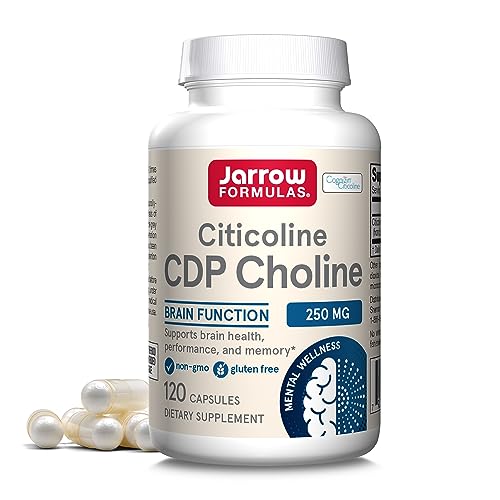
Third, and most importantly, nobody in these trials took citicoline instead of treatment. It was add-on therapy in every positive study. If cocaine use is a problem for you or someone you know, the evidence-based step is treatment, and a supplement is not one.
Citicoline’s safety record across these trials is genuinely good, and if you want the general picture our page on whether citicoline is safe covers it. Good tolerability is not the same as efficacy, and this is a literature where the difference is easy to see.
Frequently Asked Questions
Does citicoline treat cocaine addiction?
No. Citicoline is a dietary supplement, it is not approved for treating any substance use disorder, and a 2024 systematic review of cholinergic drugs in psychostimulant use disorder concluded that the evidence does not support prescribing them for it.
Which trials were positive?
The two conducted in outpatients who had bipolar disorder alongside cocaine dependence. A 44-patient 2007 trial found lower odds of a cocaine-positive urine test at exit, and a 130-patient 2015 trial in Am J Psychiatry found significantly reduced cocaine-positive screens, largest early in the study.
Which trial was negative?
A 2011 trial in 29 non-treatment-seeking, cocaine-dependent volunteers given 500 mg twice daily for eight weeks. Citicoline had no effect on craving or on total cocaine use.
Did the benefit last?
Not in the largest trial. The 2015 trial reported that the group effect was greatest early in the study and tended to decline over the twelve weeks, and the authors concluded that augmentation strategies would be needed for long-term benefit.
Is it dangerous to combine citicoline with cocaine?
A small laboratory study in eight occasional cocaine users found that four days of citicoline pretreatment did not change the cardiovascular, physiologic or subjective effects of intranasal cocaine, and presented no added cardiovascular risk. Eight people is far too few to establish safety, and nothing about that finding makes cocaine use safe.
Did citicoline affect mood in these trials?
The cocaine trials found no between-group difference in depression or mania ratings. A separate trial in methamphetamine dependence did find a mood advantage, so the evidence on mood is not consistent.
References
- Brown ES, et al. A randomized, placebo-controlled trial of citicoline add-on therapy in outpatients with bipolar disorder and cocaine dependence. J Clin Psychopharmacol (2007). PMID 17873684
- Brown ES, et al. A Randomized, Double-Blind, Placebo-Controlled Trial of Citicoline for Cocaine Dependence in Bipolar I Disorder. Am J Psychiatry (2015). PMID 25998279
- Licata SC, et al. Effects of daily treatment with citicoline: a double-blind, placebo-controlled study in cocaine-dependent volunteers. J Addict Med (2011). PMID 21769048
- Salloum N, et al. Exploring the efficacy of cholinergic agents for the treatment of psychostimulant use disorder: a systematic review. Psychopharmacology (Berl) (2024). PMID 39432105
- Bracken BK, et al. Eight weeks of citicoline treatment does not perturb sleep/wake cycles in cocaine-dependent adults. Pharmacol Biochem Behav (2011). PMID 21397626
- Renshaw PF, et al. Short-term treatment with citicoline (CDP-choline) attenuates some measures of craving in cocaine-dependent subjects: a preliminary report. Psychopharmacology (Berl) (1999). PMID 10102764
- Lukas SE, et al. Effects of short-term citicoline treatment on acute cocaine intoxication and cardiovascular effects. Psychopharmacology (Berl) (2001). PMID 11594440
These statements have not been evaluated by the FDA. This product is not intended to diagnose, treat, cure, or prevent any disease. This article is for informational purposes only and is not a substitute for professional medical advice. As an Amazon Associate we earn from qualifying purchases.
These statements have not been evaluated by the Food and Drug Administration. This information is not intended to diagnose, treat, cure, or prevent any disease. Content is for informational purposes only and is not medical advice; consult a qualified healthcare provider before starting any supplement. As an Amazon Associate we earn from qualifying purchases.
