Glaucoma is characterized by the progressive loss of retinal ganglion cells (RGCs) and their axons, which form the optic nerve. Lowering intraocular pressure (IOP) remains the cornerstone of treatment, yet neurodegeneration can continue even when IOP is well controlled, pointing to an unmet need for strategies that directly protect surviving nerve tissue rather than simply addressing a single risk factor.
Citicoline (cytidine 5′-diphosphocholine, or CDP-choline) is a naturally occurring compound that has attracted growing interest as a neuroprotective supplement in ophthalmology. Metabolized by the body into choline and cytidine, it feeds into pathways supporting neuronal membrane integrity and neurotransmitter synthesis. This article reviews the proposed mechanisms, available clinical evidence, and practical considerations for citicoline as a complementary approach in glaucoma, without overstating what the science currently supports.
Key Takeaways
- Citicoline is metabolized into choline and cytidine, which support neuronal membrane repair and neurotransmitter synthesis, mechanisms proposed to protect retinal ganglion cells in glaucoma [1] [2].
- Multiple clinical studies using pattern electroretinogram (PERG) have reported improvements in retinal ganglion cell function following citicoline treatment in open-angle glaucoma patients [3] [4].
- A 2023 systematic review concluded that available evidence generally supports a positive effect of citicoline supplementation on visual function in glaucoma, though the body of trials remains small and heterogeneous [5].
- Liposomal encapsulation improves ocular bioavailability of citicoline in eye drop formulations, while oral supplements remain the most accessible delivery route for most people [6].
- Citicoline is positioned across the literature as a complementary neuroprotective strategy alongside, not in place of, standard IOP-lowering glaucoma treatment.
The Neuroprotection Gap in Glaucoma Treatment
Standard glaucoma therapy reduces IOP through medications, laser procedures, or surgery. This approach slows disease progression in many patients, but it does not fully account for why some people continue to lose visual field despite achieving target pressures. Elevated IOP is a major risk factor, yet the underlying pathology involves a cascade of events including excitotoxicity, oxidative stress, mitochondrial dysfunction, and disrupted axonal transport that can harm RGCs independently of pressure.
Neuroprotection in this context means intervening directly at the level of the neuron to slow or halt cell death, preserve visual function, and maintain the structural integrity of the optic nerve. Narrative reviews of neuroprotective strategies in glaucoma confirm that no agent has yet received regulatory approval for this indication, but several compounds, including citicoline, have accumulated a meaningful body of preliminary evidence [7] [8].
How Citicoline Is Thought to Protect Retinal Neurons
After oral or topical administration, citicoline is cleaved into choline and cytidine. Choline is incorporated into the synthesis of phosphatidylcholine, a key structural phospholipid in neuronal cell membranes, and also serves as a precursor to the neurotransmitter acetylcholine. Cytidine converts in the body to uridine, which further supports phospholipid biosynthesis. The net result, proposed across experimental and clinical literature, is stabilization and repair of neuronal membranes damaged by ischemia or oxidative injury [1].
Additional mechanisms described in the research include increased choline acetyltransferase activity (the enzyme that synthesizes acetylcholine), upregulation of dopamine receptor density in the striatum, and reduction in glutamate-induced excitotoxicity. In the context of glaucoma specifically, citicoline is thought to support the energy metabolism and membrane integrity of RGCs, whose long and metabolically demanding axons are particularly vulnerable to the stresses imposed by elevated pressure and reduced ocular blood flow [2].

Effects on Retinal Ganglion Cells: Morphology and Function
A dedicated review of citicoline’s effects on RGCs synthesized evidence from both preclinical and clinical sources, reporting that citicoline treatment was associated with improvements in RGC morphology and function [9]. In animal models of glaucoma, citicoline has been linked to reduced RGC loss after experimentally induced IOP elevation. Researchers have also observed effects on electrophysiological measures that reflect optic nerve and retinal function.
The proposed role of citicoline in glaucoma includes supporting the structural components of the neuronal membrane while modulating neurotrophic factor availability, potentially helping RGCs survive in a metabolically compromised environment [2]. It is worth stating clearly that these mechanistic accounts are supported primarily by in vitro and animal data; robust, large-scale human trials confirming direct RGC preservation over time remain limited.
Clinical Evidence: Pattern Electroretinogram and Visual Function
Pattern electroretinogram (PERG) is an objective electrophysiological test sensitive to the function of RGCs and is used to detect early glaucomatous damage. Several clinical studies have used PERG as a primary outcome measure for citicoline. A pilot study using citicoline eye drops in a liposomal formulation in patients with open-angle glaucoma reported statistically significant improvements in PERG amplitude and visual pathway conduction, suggesting enhanced RGC activity after treatment [3].
A 2025 randomized, crossover, multicenter study compared a combination formulation (citicoline 500 mg with homotaurine, vitamin B3, and pyrroloquinoline quinone) against oral citicoline 800 mg alone in patients with primary open-angle glaucoma and well-controlled IOP. Both treatments produced measurable PERG improvements and quality-of-life benefits, with the combination showing additional effects on certain measures [4].
A 2023 systematic review of citicoline as a supplement in glaucoma patients concluded that the existing evidence generally supports a positive effect on visual function outcomes, while also acknowledging that most studies are small and heterogeneous in design [5]. A randomized pilot study in non-arteritic ischemic optic neuropathy, a condition sharing features of optic nerve neurodegeneration, also found that oral citicoline solution was associated with electrophysiological neuroenhancement, lending indirect support to its potential in optic nerve conditions more broadly [10].
Delivery Formulations: Oral Supplements, Eye Drops, and Liposomal Technology
Citicoline has been studied in oral form (tablets, capsules, oral solution) and as topical eye drops. Getting therapeutic concentrations of any molecule to the retina is a significant pharmacological challenge because the eye has several physiological barriers to drug penetration. Liposomal encapsulation, which wraps the active compound in lipid vesicles, has emerged as a strategy to improve ocular bioavailability. Research on liposomal citicoline for ocular drug delivery found favorable properties for retinal targeting, including improved corneal penetration and sustained release characteristics [6].


The eye drop formulation evaluated in the pilot PERG study used exactly this liposomal vehicle and reported improvements in retinal and visual pathway function, suggesting that topical delivery can achieve biologically meaningful effects at the posterior eye [3]. For most people, oral citicoline supplements are far more accessible. Doses studied in glaucoma-related and neuroprotection research generally range from 250 mg to 1000 mg per day, and clinical trials at 250 to 500 mg per day have reported an excellent tolerability profile.
Citicoline Within a Broader Neuroprotective Framework
Glaucoma research increasingly recognizes that no single agent is likely to fully address the multifactorial nature of RGC death. A 2025 review of next-generation neuroprotective strategies emphasizes the value of synergistic combinations of molecules targeting different pathways, including oxidative stress, mitochondrial dysfunction, excitotoxicity, and neuroinflammation [11]. Citicoline is frequently discussed as one component within such multi-target regimens, alongside antioxidants and other neuroprotective nutraceuticals.
A 2025 paper introducing a systematic framework for evaluating nutraceuticals in glaucoma neuroprotection explicitly included citicoline among compounds with a meaningful evidence base [12]. Advances in pharmacological neuroprotection for glaucoma also position citicoline as part of a broader pipeline of both established and emerging agents under active investigation [8]. The consensus across recent reviews is cautiously optimistic: citicoline appears safe, biologically plausible, and modestly supported by clinical data, but it is not a substitute for IOP-lowering therapy and should be considered complementary rather than standalone.
🛒 Where to Buy Citicoline
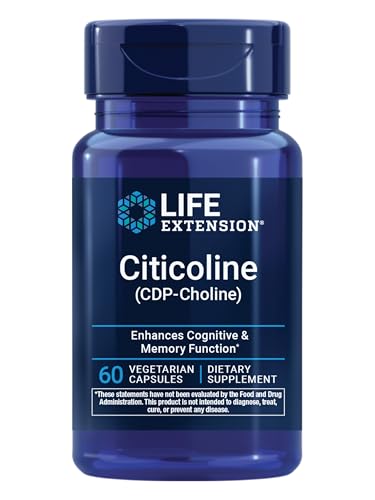
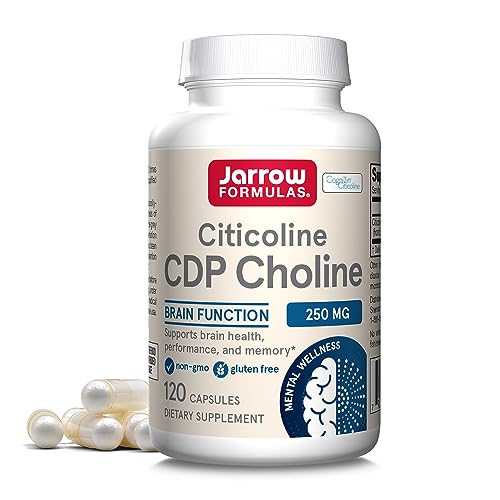
- Jarrow Formulas Cognizin CDP-Choline 250mgLab-tested / studied
capsules, 250 mg citicoline (Cognizin) per capsule, 60 capsules — The benchmark Cognizin-branded product; widely stocked, non-GMO, third-party tested; the go-to reference for price comparisons across the category. - NOW Foods CDP-Choline 300mg
capsules, 300 mg CDP-choline per vegetarian capsule, 60 capsules — 300mg per capsule at a competitive price; GMP-certified, non-GMO; consistently passes independent lab tests; ideal entry point for first-time buyers. - Nutricost Citicoline (CDP-Choline) 500mg
capsules, 500 mg citicoline per capsule, 60 capsules — High-dose option suited to experienced users; GMP-certified facility; budget-friendly; third-party tested; allows easy split-dose regimen at 250mg twice daily. - Double Wood Supplements Citicoline (CDP-Choline) 300mg
capsules, 300 mg CDP-choline per capsule, 60 capsules — Certificates of analysis available; US-manufactured; well-regarded in nootropics forums for consistent potency and transparent testing practices.
As an Amazon Associate we earn from qualifying purchases. Citicoline quality comes down to label accuracy and independent verification. Choose a product that states the exact milligrams of citicoline per serving rather than hiding it inside a proprietary blend, and prefer finished-product certification from NSF, USP or Informed Sport — Cognizin is the branded form named in most published trials, but an independently certified generic carries the same active molecule.
A Note on the Evidence
The clinical evidence for citicoline in glaucoma, while encouraging, comes largely from small pilot studies and heterogeneous trials; larger placebo-controlled trials are needed before definitive conclusions can be drawn, and citicoline has not been approved by the FDA to treat glaucoma or any eye disease. Anyone with glaucoma should discuss supplementation with their ophthalmologist before starting, particularly those already taking medications or managing other health conditions.
Frequently Asked Questions
What is citicoline and why is it being studied for glaucoma?
Citicoline (CDP-choline) is a naturally occurring compound the body breaks down into choline and cytidine, both of which play roles in neuronal membrane integrity and neurotransmitter synthesis. Researchers are investigating it for glaucoma because retinal ganglion cells continue to degenerate even in patients with controlled eye pressure, creating a need for strategies that protect nerve tissue directly [2] [7].
What does the clinical evidence actually show?
Studies using pattern electroretinogram (PERG) have reported improvements in retinal ganglion cell function in glaucoma patients treated with citicoline in both oral and liposomal eye drop forms [3] [4]. A 2023 systematic review found the overall evidence supports a positive effect on visual function outcomes in glaucoma, while noting that most trials are small and vary considerably in design [5].

Can citicoline replace my glaucoma eye drops or other medications?
No. Citicoline is a dietary supplement and has not been approved by the FDA to treat glaucoma or lower intraocular pressure. It is studied as a complementary neuroprotective approach alongside, not instead of, IOP-lowering therapy. Never discontinue prescribed glaucoma medications without discussing it with your ophthalmologist.
What doses have been studied in glaucoma research?
Clinical studies in glaucoma and related optic nerve conditions have used oral doses ranging from 250 mg to 1000 mg per day. A 2025 multicenter trial used 500 mg (in a combination product) and 800 mg (as standalone citicoline) and found both produced measurable electrophysiological benefits [4]. The 250 to 500 mg per day range has been associated with an excellent tolerability profile across the reviewed trials.
Are there side effects to be aware of?
Citicoline is generally well tolerated at the doses studied. Mild gastrointestinal discomfort or transient headache may occur, particularly at higher doses or in individuals sensitive to cholinergic stimulation. The clinical trials reviewed here in glaucoma populations reported no serious adverse events at the doses used. Citicoline is a dietary supplement and has not been approved by the FDA to diagnose, treat, cure, or prevent any disease.
What is the difference between oral citicoline and citicoline eye drops?
Oral citicoline is absorbed systemically and reaches the eye through blood circulation; it is the most widely available supplement form. Citicoline eye drops in liposomal formulations are designed to penetrate ocular barriers and deliver the compound more directly to the retina. Research on liposomal encapsulation found improved corneal penetration and sustained retinal targeting compared to conventional topical formulations [6], and a pilot study using liposomal citicoline eye drops reported improvements in PERG amplitude and visual pathway conduction in open-angle glaucoma patients [3].
References
- Saver JL et al. Citicoline: update on a promising and widely available agent for neuroprotection and neurorepair. Reviews in neurological diseases (2008). PMID 19122569
- Jünemann AGM et al. [The role of citicoline in glaucoma]. Der Ophthalmologe : Zeitschrift der Deutschen Ophthalmologischen Gesellschaft (2021). PMID 33730306
- Parisi V et al. Enhancement of Retinal Function and of Neural Conduction Along the Visual Pathway Induced by Treatment with Citicoline Eye Drops in Liposomal Formulation in Open Angle Glaucoma: A Pilot Electrofunctional Study. Advances in therapy (2019). PMID 30790180
- Rossi GCM et al. Randomized, Cross over, Multicenter, Single-Blind Study Comparing Citicoline 500 mg/Homotaurine 50 mg/Vitamin B3 54 mg/Pyrroloquinoline Quinone 5 mg (Neuprozin Mito(®)) and Citicoline 800 mg (Cebrolux(®)) on Pattern Electroretinogram (PERG) and Quality of Life in Patients with Primary Open-Angle Glaucoma with Well-Controlled Intraocular Pressure. Journal of clinical medicine (2025). PMID 40507536
- Prinz J et al. Efficacy of citicoline as a supplement in glaucoma patients: A systematic review. PloS one (2023). PMID 37768938
- Bonechi C et al. Liposomal Encapsulation of Citicoline for Ocular Drug Delivery. International journal of molecular sciences (2023). PMID 38069187
- D'Angelo A et al. Optic Nerve Neuroprotection in Glaucoma: A Narrative Review. Journal of clinical medicine (2024). PMID 38673487
- Wang LH et al. Advances in Neuroprotection in Glaucoma: Pharmacological Strategies and Emerging Technologies. Pharmaceuticals (Basel, Switzerland) (2024). PMID 39458902
- Parisi V et al. Citicoline and Retinal Ganglion Cells: Effects on Morphology and Function. Current neuropharmacology (2018). PMID 28676014
- Parisi V et al. Neuroenhancement and neuroprotection by oral solution citicoline in non-arteritic ischemic optic neuropathy as a model of neurodegeneration: A randomized pilot study. PloS one (2019). PMID 31348806
- Martucci A et al. Next-Gen Neuroprotection in Glaucoma: Synergistic Molecules for Targeted Therapy. Journal of clinical medicine (2025). PMID 40943905
- Liu Z et al. Nutraceuticals and neuroprotection for glaucoma-introducing the NP-10 System. Therapeutic advances in ophthalmology (2025). PMID 41280204
These statements have not been evaluated by the Food and Drug Administration. This information is not intended to diagnose, treat, cure, or prevent any disease. Content is for informational purposes only and is not medical advice; consult a qualified healthcare provider before starting any supplement. As an Amazon Associate we earn from qualifying purchases.
