Citicoline—also called cytidine 5′-diphosphocholine or CDP-choline—is a naturally occurring intermediate in the biosynthesis of phosphatidylcholine, one of the most abundant phospholipids in every cell membrane in the body. When taken as a supplement, it is rapidly absorbed and cleaved into two biologically active metabolites: choline and cytidine. Choline is a direct precursor to the neurotransmitter acetylcholine and to the structural membrane lipid phosphatidylcholine, while cytidine is converted in the body to uridine, a nucleoside involved in neural plasticity and several biosynthetic pathways.
Interest in citicoline for brain energy has grown because the brain is one of the most metabolically demanding organs in the body, and maintaining the integrity of neuronal membranes and supporting mitochondrial function both depend on adequate phospholipid availability. This article examines the proposed mechanisms linking citicoline to brain energy, the biochemical pathways involved, and what the clinical evidence currently shows—while being clear about where the science is still developing and where claims outrun the data.
Key Takeaways
- Citicoline is metabolized into choline and cytidine, supplying precursors for both phosphatidylcholine membrane synthesis and acetylcholine neurotransmitter production via the Kennedy (CDP-choline) pathway [1].
- Recent structural biology has clarified how the final Kennedy-pathway enzyme—choline phosphotransferase—selects CDP-choline and completes phosphatidylcholine synthesis, underscoring why precursor availability influences membrane production [2].
- Proposed brain-energy benefits involve sustaining the phospholipid composition of mitochondrial membranes and restoring membrane ATPase activity under stress—mechanisms documented primarily in ischemia and injury models, not in healthy resting adults [3].
- Clinical evidence is strongest for stroke recovery and age-related cognitive decline; effects in healthy, younger populations at typical supplement doses are less well established [4].
- Citicoline is generally well tolerated at 250–500 mg/day; people on cholinergic or dopaminergic medications should consult a healthcare professional before use.
How Citicoline Is Metabolized: From Supplement to Active Metabolites
When citicoline is ingested, intestinal phosphodiesterases hydrolyze it into choline and cytidine; cytidine is then dephosphorylated, absorbed, and converted in peripheral tissues to uridine, which crosses the blood-brain barrier and is rephosphorylated to uridine triphosphate [1]. This two-component delivery mechanism allows both choline and a uridine precursor to reach neural tissue simultaneously, rather than depending on dietary choline or endogenous cytidine synthesis alone.
Choline that enters the brain can be directed into the Kennedy pathway—the CDP-choline cycle—to synthesize phosphatidylcholine de novo. Citicoline is the obligate intermediate in this pathway; without adequate CDP-choline, the final enzymatic step catalyzed by choline phosphotransferase cannot proceed [2]. Recent structural biology work has clarified the molecular architecture of this enzyme, revealing how its active site selects CDP-choline over similar substrates and transfers the phosphocholine head group to diacylglycerol [5], giving researchers a more detailed picture of where this biosynthetic bottleneck sits and why precursor availability matters.
Phospholipid Synthesis and Neuronal Membrane Integrity
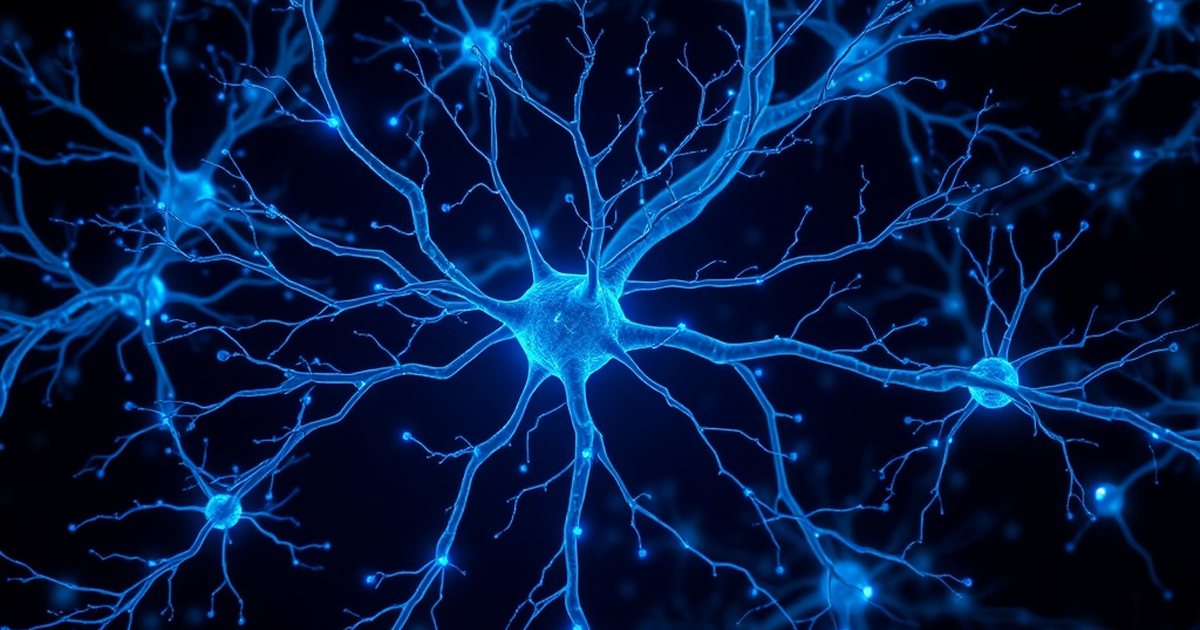
Phosphatidylcholine and related choline-containing phospholipids make up a substantial fraction of the lipid bilayer surrounding every neuron and its organelles. These lipids are not static scaffolding; they are continuously turned over, and their relative abundance affects membrane fluidity, embedded receptor density, and the efficiency of ion transport [6]. When phospholipid turnover accelerates under conditions such as ischemia, oxidative stress, or traumatic injury, the brain depends on adequate precursor supply to sustain resynthesis.
Phospholipid methylation represents a separate route for generating choline-containing phospholipids, one that differs in mechanism and tissue distribution from the Kennedy pathway [7]. Citicoline supplements the Kennedy pathway specifically. There is direct in vivo evidence that oral CDP-choline raises brain choline levels: a study using proton magnetic resonance spectroscopy detected a measurable increase in brain cytosolic choline following CDP-choline administration, with the effect more pronounced in younger subjects than in older ones [8]. This age-related difference may reflect differential baseline choline status and is worth bearing in mind when interpreting results across age groups.

Brain Energy and Mitochondrial Considerations
The link between citicoline and brain energy operates partly through the mitochondrial membrane. The inner mitochondrial membrane, where the electron transport chain complexes are embedded, is itself composed largely of phospholipids including phosphatidylcholine and cardiolipin. The stability and function of these complexes depend on the lipid environment surrounding them, meaning that phospholipid availability has a direct bearing on ATP synthesis efficiency [3].
Pharmacological reviews have noted that citicoline can help restore membrane ATPase activity and attenuate the loss of membrane integrity observed in ischemic conditions [3]. It is important to be precise about the evidence base here: these observations come largely from animal models and stroke-related research, not from studies designed to measure mitochondrial bioenergetics in healthy adults. Extrapolating these findings to everyday cognitive energy in people without brain injury or disease is biologically plausible but speculative.
Uridine—the downstream product of cytidine from citicoline metabolism—is required for UTP synthesis, and UTP participates in glycogen synthesis and several other biosynthetic reactions in neural tissue [1]. Its contribution to brain energy metabolism is an area of ongoing interest, though direct measurement of uridine-mediated energetic effects in humans following citicoline supplementation remains limited.
Neurotransmitter Pathways: Acetylcholine and Dopamine
Beyond membrane structure, citicoline’s choline component is the direct precursor to acetylcholine, the neurotransmitter most closely associated with attention, learning, and memory consolidation. Choline acetyltransferase—the enzyme that synthesizes acetylcholine from choline and acetyl-CoA—appears to be upregulated by citicoline in some experimental settings, suggesting an effect beyond simply supplying raw substrate [3]. Increased cholinergic tone is one of the primary mechanistic rationales for interest in citicoline as a cognitive support compound.
Citicoline has also been associated with dopaminergic signaling. Research into its pharmacodynamics has proposed that it may enhance dopamine synthesis and increase the density of dopamine receptors in the striatum [9]. Dopamine plays a central role in motivation, executive function, and the subjective experience of mental energy. However, changes in receptor density observed in experimental models do not translate straightforwardly to predictable clinical outcomes in humans, and this pathway should be understood as mechanistic background rather than confirmed clinical effect.
Clinical Evidence: Cognition, Stroke Recovery, and Neuroprotection
The strongest clinical evidence for citicoline comes from studies in stroke recovery and age-related cognitive decline. A literature review in older adults found that citicoline supplementation was associated with improvements in memory and behavioral outcomes and appeared to improve the bioenergetic status of neural tissue while reducing neurodegeneration markers—though the authors noted the need for larger, more rigorous trials [4]. Citicoline has also been studied for its potential to support retinal ganglion cell function in glaucoma, where the proposed mechanism involves neuroprotection through phospholipid stabilization and enhanced cholinergic signaling [10].
More recently, citicoline has been proposed as an adjunct for neurological complications following COVID-19, given its established profile as a neuroprotective agent and its ability to support membrane repair and cholinergic transmission [11]. Formal clinical trials in this post-viral population remain limited, and this represents an emerging rather than established application.
A consistent theme across the clinical literature is that the most compelling evidence involves populations with compromised or injured neural tissue—stroke patients, elderly individuals with cognitive impairment, or those with specific neurological disease. Benefits observed in these groups do not automatically predict the same magnitude of effect in healthy younger adults, and this distinction matters when evaluating citicoline as a general-purpose cognitive enhancer.
Safety, Tolerability, and Dosing Considerations
Across the published trial literature, citicoline consistently demonstrates a favorable tolerability profile. Doses in the range of 250–500 mg per day are generally well tolerated; mild gastrointestinal discomfort or transient headache are the most commonly noted adverse effects, occurring particularly at higher doses or in individuals sensitive to cholinergic stimulation [3]. These side effects are typically mild and self-limiting.
Because citicoline elevates acetylcholine precursor availability, individuals already taking cholinesterase inhibitors—a class of prescription drugs used in Alzheimer’s disease management—should consult a physician before adding citicoline, as the combined cholinergic load may increase the risk of adverse effects. Citicoline is sold as a dietary supplement in most markets and has not been approved by the FDA to diagnose, treat, cure, or prevent any disease. Anyone with a medical condition or taking prescription medications should discuss use with a qualified healthcare provider before starting.
🛒 Where to Buy Citicoline
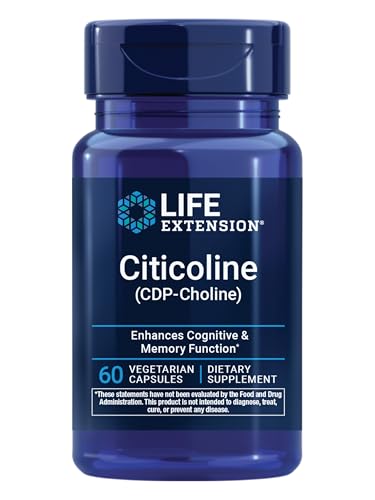
- Jarrow Formulas Cognizin CDP-Choline 250mgLab-tested / studied
capsules, 250 mg citicoline (Cognizin) per capsule, 60 capsules — The benchmark Cognizin-branded product; widely stocked, non-GMO, third-party tested; the go-to reference for price comparisons across the category. - NOW Foods CDP-Choline 300mg
capsules, 300 mg CDP-choline per vegetarian capsule, 60 capsules — 300mg per capsule at a competitive price; GMP-certified, non-GMO; consistently passes independent lab tests; ideal entry point for first-time buyers. - Nutricost Citicoline (CDP-Choline) 500mg
capsules, 500 mg citicoline per capsule, 60 capsules — High-dose option suited to experienced users; GMP-certified facility; budget-friendly; third-party tested; allows easy split-dose regimen at 250mg twice daily. - Double Wood Supplements Citicoline (CDP-Choline) 300mg
capsules, 300 mg CDP-choline per capsule, 60 capsules — Certificates of analysis available; US-manufactured; well-regarded in nootropics forums for consistent potency and transparent testing practices.
As an Amazon Associate we earn from qualifying purchases. Citicoline quality comes down to label accuracy and independent verification. Choose a product that states the exact milligrams of citicoline per serving rather than hiding it inside a proprietary blend, and prefer finished-product certification from NSF, USP or Informed Sport — Cognizin is the branded form named in most published trials, but an independently certified generic carries the same active molecule.
A Note on the Evidence
Most clinical evidence for citicoline’s cognitive and neuroprotective effects derives from studies in stroke patients, elderly individuals with cognitive impairment, or people with specific medical conditions; these findings should not be uncritically extended to healthy adults seeking general cognitive enhancement. Citicoline is a dietary supplement and has not been approved by the FDA to treat, cure, or prevent any disease—individuals with medical conditions or who take prescription medications, especially cholinergic or dopaminergic agents, should consult a qualified healthcare professional before use.
Frequently Asked Questions
What does citicoline do for the brain?
Citicoline supplies choline and cytidine, which the brain uses to synthesize phosphatidylcholine (a structural neuronal membrane phospholipid), acetylcholine (a neurotransmitter involved in memory and attention), and uridine (involved in nucleotide and biosynthetic pathways) [1]. It has also been proposed to support mitochondrial membrane integrity and to enhance both cholinergic and dopaminergic signaling in experimental models [3].

How is citicoline different from plain choline supplements?
Unlike choline bitartrate or alpha-GPC, citicoline also delivers cytidine, which converts to uridine in the body and contributes to nucleotide metabolism and neural plasticity. Structurally, citicoline is the specific obligate intermediate in the Kennedy pathway, meaning it slots directly into the enzymatic sequence that produces phosphatidylcholine, potentially making it more efficient for membrane biosynthesis than choline alone [2].
Does citicoline actually raise brain choline levels?
Yes, in vivo evidence supports this. A study using proton magnetic resonance spectroscopy found that oral CDP-choline produced a measurable increase in brain cytosolic choline, with the effect more pronounced in younger subjects than in older ones [8]. This confirms that the choline component of citicoline reaches the brain in quantities sufficient to alter detectable metabolite pools, though what this means for cognitive outcomes varies by individual and population.
Can citicoline support brain energy in people who are healthy?
The mechanistic rationale is plausible—phospholipids are essential to mitochondrial membrane integrity and ATP synthesis efficiency—and citicoline has been shown to help restore membrane ATPase activity in ischemic models [3]. However, most clinical evidence comes from injured or diseased populations. Whether citicoline meaningfully improves subjective or objective brain energy in healthy adults has not been demonstrated in large, well-controlled trials, and extrapolating from disease populations should be done cautiously.
Is citicoline safe to take daily?
Pharmacological reviews and clinical trials consistently report a favorable tolerability profile at 250–500 mg/day, with mild GI discomfort or transient headache as the most commonly reported effects [3]. These tend to be mild and self-limiting. Individuals taking prescription cholinergic medications—particularly cholinesterase inhibitors—should consult a physician before adding citicoline, as combined cholinergic stimulation may increase the risk of side effects.
Which populations have benefited most from citicoline in studies?
The best-evidenced benefits are in older adults experiencing age-related cognitive decline and in stroke patients during recovery, where citicoline has been associated with improved memory, behavioral outcomes, and neural bioenergetic markers [4]. It has also been studied in glaucoma for retinal neuroprotection [10] and has been proposed—though not yet rigorously tested—for post-COVID neurological complications [11]. Evidence in healthy, cognitively intact younger adults is substantially thinner.
References
- Weiss GB et al. Metabolism and actions of CDP-choline as an endogenous compound and administered exogenously as citicoline. Life sciences (1995). PMID 7869846
- Roberts JR et al. Structural basis for catalysis and selectivity of phospholipid synthesis by eukaryotic choline-phosphotransferase. Nature communications (2025). PMID 39747155
- Secades JJ et al. Citicoline: pharmacological and clinical review, 2006 update. Methods and findings in experimental and clinical pharmacology (2006). PMID 17171187
- Conant R et al. Therapeutic applications of citicoline for stroke and cognitive dysfunction in the elderly: a review of the literature. Alternative medicine review : a journal of clinical therapeutic (2004). PMID 15005642
- Wang Z et al. Structural basis for catalysis of human choline/ethanolamine phosphotransferase 1. Nature communications (2023). PMID 37137909
- Javaid S et al. Dynamics of Choline-Containing Phospholipids in Traumatic Brain Injury and Associated Comorbidities. International journal of molecular sciences (2021). PMID 34768742
- Vance DE et al. Phospholipid methylation in mammals: from biochemistry to physiological function. Biochimica et biophysica acta (2014). PMID 24184426
- Babb SM et al. Differential effect of CDP-choline on brain cytosolic choline levels in younger and older subjects as measured by proton magnetic resonance spectroscopy. Psychopharmacology (1996). PMID 8888372
- Grieb P et al. Pharmacodynamics of citicoline relevant to the treatment of glaucoma. Journal of neuroscience research (2002). PMID 11782957
- Iulia C et al. Citicoline – a neuroprotector with proven effects on glaucomatous disease. Romanian journal of ophthalmology (2017). PMID 29450391
- Turana Y et al. Citicoline and COVID-19-Related Cognitive and Other Neurologic Complications. Brain sciences (2021). PMID 35053804
These statements have not been evaluated by the Food and Drug Administration. This information is not intended to diagnose, treat, cure, or prevent any disease. Content is for informational purposes only and is not medical advice; consult a qualified healthcare provider before starting any supplement. As an Amazon Associate we earn from qualifying purchases.
