Citicoline—also called CDP-choline or cytidine 5′-diphosphocholine—is a naturally occurring compound present in every cell of the human body. When taken as a supplement, it is hydrolyzed in the intestinal wall and bloodstream into two metabolites: choline and cytidine. Both components cross the blood-brain barrier and participate in neurochemical processes that researchers have studied for decades, with choline’s role as a direct precursor to the neurotransmitter acetylcholine receiving particular attention.
Acetylcholine is one of the nervous system’s most versatile signaling molecules, involved in attention, memory formation, and the coordination of voluntary movement. Research interest in compounds that support cholinergic activity has grown alongside a broader understanding of how choline availability influences acetylcholine synthesis. This article examines what the proposed mechanism actually looks like, what the available evidence shows, and where the honest limits of that evidence lie.
Key Takeaways
- Citicoline is metabolized into choline and cytidine; choline serves as a direct precursor to the neurotransmitter acetylcholine via the enzyme choline acetyltransferase [1].
- Research suggests citicoline may support cholinergic transporter function and receptor sensitivity, not just raw acetylcholine substrate supply [2][3].
- The cytidine component supports phosphatidylcholine synthesis, helping maintain neuronal membrane integrity through a parallel mechanism [4].
- Human studies show measurable neurophysiological effects after acute dosing, but the broader clinical evidence base remains limited in scale and population diversity [5][6].
- At 250–500 mg per day, citicoline has a well-documented tolerability profile; it is a supplement and not an FDA-approved treatment for any condition.
How Citicoline Is Metabolized Into Choline
After oral ingestion, citicoline is hydrolyzed primarily in the intestinal mucosa and liver into its two constituent parts: choline and cytidine [7]. These components enter systemic circulation independently and are taken up across the blood-brain barrier. Inside the central nervous system, choline becomes available as a substrate for several biochemical reactions, most notably the synthesis of acetylcholine and the structural phospholipid phosphatidylcholine.
Choline’s conversion to acetylcholine is catalyzed by the enzyme choline acetyltransferase (ChAT), which transfers an acetyl group from acetyl-CoA onto the choline molecule [1]. When intracellular choline availability is low, this enzyme’s activity can become substrate-limited, meaning the rate of acetylcholine synthesis may fall below demand. Providing exogenous choline via citicoline supplementation is proposed to help maintain adequate substrate levels for ChAT, particularly in neurons under metabolic or age-related stress [6].
The Choline-to-Acetylcholine Pathway in Detail
Choline acetyltransferase and choline kinase operate in a reciprocally regulated relationship inside cholinergic neurons. Research in sympathetic neurons has shown that as cells transition toward a more cholinergic profile, ChAT activity rises while choline kinase activity is reciprocally adjusted, reflecting a coordinated reallocation of available choline toward acetylcholine synthesis rather than phospholipid turnover [8]. This dynamic regulation means that choline supply and its downstream routing are tightly coupled to neuronal signaling demands.
Citicoline has been described specifically as an acetylcholine precursor in neurophysiology research, and this precursor role has been investigated in contexts of neuronal stress. In a rat model, citicoline’s status as a choline-donating compound was central to its proposed neuroprotective effects during glucose deprivation [9]. While animal data do not translate directly to human outcomes, this work helps clarify the mechanistic pathway: citicoline raises available choline, choline feeds ChAT, and ChAT produces acetylcholine.

Effects on Cholinergic Transporters and Receptor Sensitivity
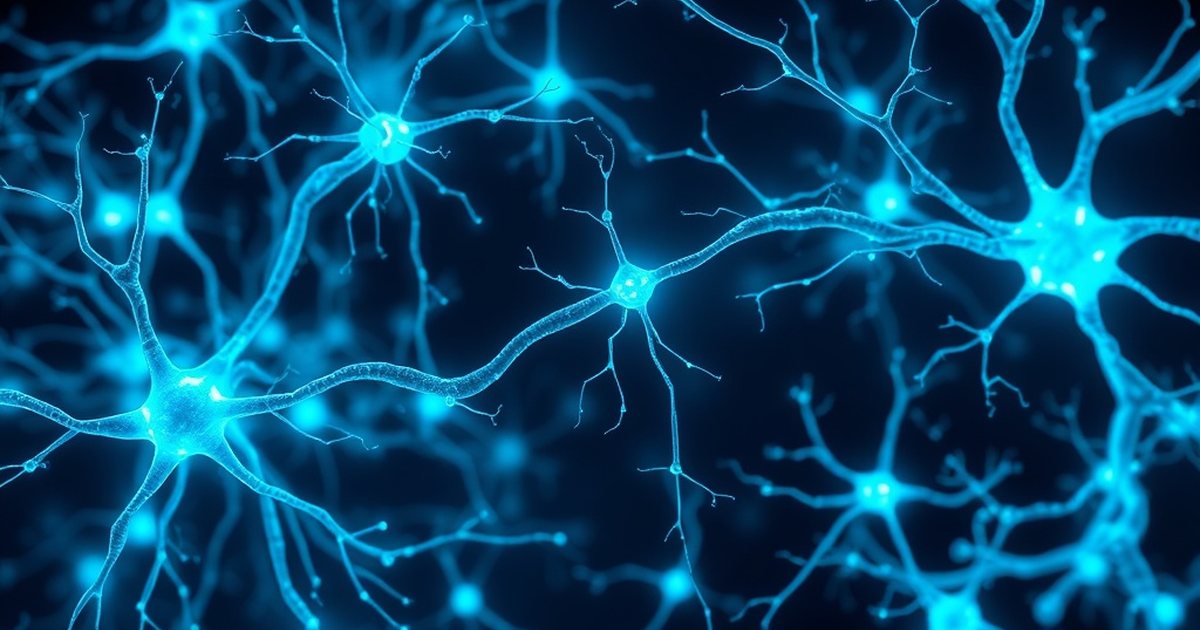
The cholinergic effects of choline-containing phospholipids extend beyond simple substrate supply. Studies in rats have examined the impact of these compounds on the brain’s cholinergic transport proteins—the molecules responsible for moving choline into presynaptic terminals for acetylcholine packaging—and results suggest that choline-containing phospholipids can influence transporter activity, which could affect how efficiently neurons recycle choline following acetylcholine release [2].
At the receptor level, CDP-choline administration has been associated with effects on inositol phospholipid hydrolysis, a downstream signaling cascade activated when acetylcholine or other neurotransmitters bind to their receptors. In brain slice and neuronal culture preparations, CDP-choline affected receptor-stimulated hydrolysis of these lipids, pointing to influences that may go beyond raising acetylcholine concentrations to also involve receptor coupling efficiency [3].
Research in animal pain models has further implicated the cholinergic system in CDP-choline’s central effects. When researchers blocked cholinergic receptors pharmacologically, the antinociceptive responses seen with centrally administered CDP-choline were attenuated, providing indirect functional evidence that cholinergic signaling mediates at least some of the compound’s central nervous system actions [10]. These are animal studies, and their applicability to healthy human supplementation remains to be established.
The Cytidine Pathway and Neuronal Membrane Support
The cytidine component of citicoline follows a different but complementary path. After absorption, cytidine is converted to uridine in the bloodstream and brain. Uridine participates in the biosynthesis of phosphatidylcholine, a major structural phospholipid found in neuronal membranes [4]. Neuronal membranes are not passive boundaries; their phospholipid composition influences receptor conformation, ion channel behavior, and the efficiency of synaptic signaling.
Choline-containing phospholipids such as phosphatidylcholine play a recognized role in brain functional pathways, contributing to membrane integrity and acting as a reservoir from which free choline can be released during periods of high metabolic demand [1]. When dietary choline is insufficient or neuronal demand rises, membrane phospholipids can be broken down to release choline for acetylcholine synthesis. Citicoline may help maintain this reserve by supporting ongoing phosphatidylcholine synthesis through the cytidine-to-uridine route, offering a structural benefit that runs alongside its neurotransmitter-precursor role.
What Human and Clinical Research Shows
The most direct human evidence for citicoline’s cholinergic effects comes from neuroimaging and electrophysiology studies. A controlled study in healthy volunteers found that acute CDP-choline administration altered resting-state brain oscillations compared to placebo, with effects consistent with modulation of central cholinergic tone [5]. This kind of neurophysiological signal does not prove clinical benefit on its own, but it does support the idea that CDP-choline reaches the brain and affects its electrical activity in measurable ways after a single dose.
Systematic reviews of citicoline in populations with cognitive impairment have found a generally positive but qualified picture. One review noted pharmacological plausibility, some favorable clinical trial results, and an excellent tolerability profile, while also flagging that many trials were small and methodologically heterogeneous [6]. Another analysis of cholinergic precursors in vascular cognitive impairment acknowledged the need for larger, more rigorous trials before firm conclusions can be drawn [11]. The honest summary is that citicoline shows mechanistic and preliminary clinical promise as a cholinergic support compound, but the evidence base is not yet sufficient to call it a proven therapy for any condition.
Dosage, Safety, and Practical Context
Clinical trials of citicoline have most commonly used doses in the range of 250 to 500 mg per day, with some studies in patient populations using higher doses. At these levels, the compound has demonstrated an excellent tolerability profile. The most commonly reported adverse effects are mild gastrointestinal discomfort and transient headache, the latter potentially reflecting cholinergic stimulation in individuals who are particularly sensitive to elevated acetylcholine activity.
Citicoline is sold as a dietary supplement in many countries, including the United States, where it has not been approved by the FDA to diagnose, treat, cure, or prevent any disease. Its regulatory status as a supplement is distinct from its use as a prescription pharmaceutical in some other countries, where it is employed in stroke rehabilitation and cognitive disorders. Anyone considering citicoline—particularly individuals with neurological conditions, those on medications that affect cholinergic signaling, or those who are pregnant or breastfeeding—should consult a qualified healthcare provider before starting.
🛒 Where to Buy Citicoline
- Jarrow Formulas Cognizin CDP-Choline 250mgLab-tested / studied
capsules, 250 mg citicoline (Cognizin) per capsule, 60 capsules — The benchmark Cognizin-branded product; widely stocked, non-GMO, third-party tested; the go-to reference for price comparisons across the category. - NOW Foods CDP-Choline 300mg
capsules, 300 mg CDP-choline per vegetarian capsule, 60 capsules — 300mg per capsule at a competitive price; GMP-certified, non-GMO; consistently passes independent lab tests; ideal entry point for first-time buyers. - Nutricost Citicoline (CDP-Choline) 500mg
capsules, 500 mg citicoline per capsule, 60 capsules — High-dose option suited to experienced users; GMP-certified facility; budget-friendly; third-party tested; allows easy split-dose regimen at 250mg twice daily. - Double Wood Supplements Citicoline (CDP-Choline) 300mg
capsules, 300 mg CDP-choline per capsule, 60 capsules — Certificates of analysis available; US-manufactured; well-regarded in nootropics forums for consistent potency and transparent testing practices.
As an Amazon Associate we earn from qualifying purchases. Citicoline quality comes down to label accuracy and independent verification. Choose a product that states the exact milligrams of citicoline per serving rather than hiding it inside a proprietary blend, and prefer finished-product certification from NSF, USP or Informed Sport — Cognizin is the branded form named in most published trials, but an independently certified generic carries the same active molecule.
A Note on the Evidence
The clinical evidence for citicoline’s effects on acetylcholine and cognition, while mechanistically plausible, is largely based on small trials and animal research, and larger well-controlled human studies are still needed before firm conclusions can be drawn. Individuals with neurological conditions, those taking medications that affect cholinergic signaling, or those who are pregnant or breastfeeding should consult a qualified healthcare provider before using citicoline supplements.
Frequently Asked Questions
Does citicoline directly increase acetylcholine in the brain?
Citicoline is hydrolyzed to choline, which enters cholinergic neurons and serves as substrate for choline acetyltransferase—the enzyme that synthesizes acetylcholine [6]. Whether this translates to a measurable increase in synaptic acetylcholine in living humans depends on baseline choline status, neuronal demand, and individual variability. The mechanism is pharmacologically plausible, but direct acetylcholine measurements in healthy humans have not been conclusively established.
How quickly does citicoline affect cholinergic activity?
A controlled study in healthy volunteers detected changes in resting-state brain oscillations following a single acute dose of CDP-choline, suggesting that neurophysiological effects can begin within hours of ingestion [5]. However, effects on memory or attention—if any—may take longer to manifest and would likely require consistent daily use over weeks to months, as reflected in most clinical trial protocols.
Does citicoline only work through acetylcholine, or are there other mechanisms?
Citicoline has at least two distinct proposed mechanisms: supplying choline for acetylcholine synthesis and supplying cytidine (converted to uridine) for phosphatidylcholine membrane synthesis [4]. Some research also points to effects on receptor-coupled signaling cascades and cholinergic transporters [3][2]. It is unlikely that any single mechanism fully accounts for the compound’s observed effects.
What is the quality of evidence for citicoline's effects on acetylcholine?
The mechanistic pathway from citicoline to acetylcholine is well-supported at the biochemical level, and animal studies have demonstrated relevant cholinergic effects [9][10]. Human evidence for meaningful clinical outcomes is more limited: many trials are small, use heterogeneous populations, and vary in outcome measures [11]. The evidence is promising enough to justify continued research, but not yet strong enough to support definitive efficacy claims in healthy adults.
Can citicoline support both neurotransmission and brain structure at the same time?
Citicoline’s proposed dual mechanism—choline for acetylcholine synthesis and cytidine for phosphatidylcholine membrane support—means it is thought to act on both neurotransmitter availability and neuronal membrane integrity simultaneously [1][4]. Reviews of citicoline in cognitive impairment have noted this dual pharmacological rationale as potentially advantageous over single-mechanism approaches [6], though the independent contribution of each pathway in humans remains difficult to disentangle.
Are there any known interactions or cautions with citicoline?
Because citicoline raises available choline and may amplify cholinergic tone, individuals taking medications that already stimulate the cholinergic system—such as acetylcholinesterase inhibitors used in dementia care—should exercise caution and consult a healthcare provider before adding citicoline. Mild gastrointestinal discomfort or headache can occur, particularly at higher doses or in those with sensitivity to cholinergic stimulation. Citicoline is a dietary supplement and is not approved to treat any medical condition.
References
- Tayebati SK et al. Choline-containing phospholipids: relevance to brain functional pathways. Clinical chemistry and laboratory medicine (2013). PMID 23314552
- Tayebati SK et al. Effect of choline-containing phospholipids on brain cholinergic transporters in the rat. Journal of the neurological sciences (2011). PMID 21195433
- Canonico PL et al. Effects of CDP-choline administration on receptor-stimulated inositol phospholipid hydrolysis in brain slices and neuronal cultures. Functional neurology (1992). PMID 1330841
- Saver JL et al. Citicoline: update on a promising and widely available agent for neuroprotection and neurorepair. Reviews in neurological diseases (2008). PMID 19122569
- Knott V et al. Effects of acute CDP-choline treatment on resting state brain oscillations in healthy volunteers. Neuroscience letters (2015). PMID 25700947
- Gareri P et al. The role of citicoline in cognitive impairment: pharmacological characteristics, possible advantages, and doubts for an old drug with new perspectives. Clinical interventions in aging (2015). PMID 26366063
- Tang Y et al. [Advances in the synthesis of cytidine-5'-diphosphate choline]. Sheng wu gong cheng xue bao = Chinese journal of biotechnology (2024). PMID 38914484
- Bussière M et al. Reciprocal regulation of choline acetyltransferase and choline kinase in sympathetic neurons during cholinergic differentiation. Biochimica et biophysica acta (1995). PMID 7488634
- Kim JH et al. Acetylcholine precursor, citicoline (cytidine 5'-diphosphocholine), reduces hypoglycaemia-induced neuronal death in rats. Journal of neuroendocrinology (2018). PMID 29247563
- Hamurtekin E et al. The antinociceptive effects of centrally administered CDP-choline on acute pain models in rats: the involvement of cholinergic system. Brain research (2006). PMID 16942753
- Parnetti L et al. Cholinergic precursors in the treatment of cognitive impairment of vascular origin: ineffective approaches or need for re-evaluation?. Journal of the neurological sciences (2007). PMID 17331541
These statements have not been evaluated by the Food and Drug Administration. This information is not intended to diagnose, treat, cure, or prevent any disease. Content is for informational purposes only and is not medical advice; consult a qualified healthcare provider before starting any supplement. As an Amazon Associate we earn from qualifying purchases.
