In an increasingly demanding world, maintaining sharp focus, clear memory, and overall brain health has become a priority for many. From students preparing for exams to professionals navigating complex projects and older adults seeking to preserve cognitive function, the quest for effective, evidence-based solutions is constant. Among the many compounds garnering attention, citicoline, also known as CDP-choline, stands out as a promising nootropic and a vital choline source. But beyond the marketing claims, what does the scientific research truly reveal about its benefits?
This article aims to provide a comprehensive, unbiased look at citicoline, examining the clinical data up to 2026. We will explore its mechanisms of action, review specific study findings, and honestly discuss the observed effect sizes and limitations. Our goal is to equip you with accurate information to make informed decisions about brain health supplementation.
As an Amazon Associate, CDPCholineHub may earn from qualifying purchases made through links in this article. This helps support our research and content creation.
Understanding Citicoline: What is CDP-Choline?
Citicoline (cytidine-5′-diphosphocholine) is an endogenous compound naturally found in the brain. It plays a crucial role as an intermediate in the biosynthesis of phosphatidylcholine, a primary component of neuronal cell membranes.

When consumed as a supplement, citicoline breaks down into choline and cytidine in the gut. These precursors then cross the blood-brain barrier independently and are re-synthesized back into citicoline within the brain.
This unique two-pronged action allows it to serve as both a potent choline source and a precursor for uridine, a nucleotide that also supports various brain functions.
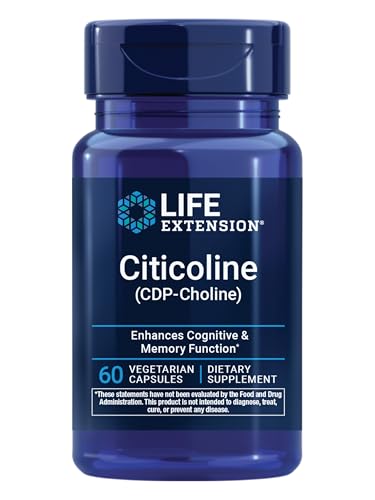
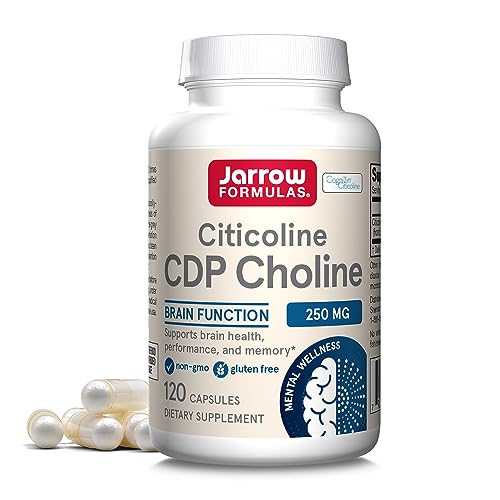
Citicoline’s Mechanisms of Action: How It Supports Brain Health
The benefits attributed to citicoline stem from its multifaceted biochemical actions within the brain. Its primary roles involve enhancing phospholipid synthesis, supporting neurotransmitter production, and potentially offering neuroprotective effects.
Cell Membrane Integrity and Repair
Citicoline is a direct precursor to phosphatidylcholine, a critical component of neuronal cell membranes. By providing choline and cytidine, it supports the synthesis and repair of these membranes.
Healthy cell membranes are essential for efficient neuronal communication, signal transduction, and overall cellular function. This mechanism is particularly relevant in conditions involving membrane damage or turnover.
Neurotransmitter Synthesis
As a choline source, citicoline contributes to the synthesis of acetylcholine, an important neurotransmitter involved in memory, learning, and muscle control. Adequate acetylcholine levels are crucial for optimal cognitive function.
Additionally, some research suggests citicoline may influence the levels of other neurotransmitters, including dopamine and norepinephrine, which are involved in mood, motivation, and attention.
Mitochondrial Function and Energy Metabolism
Emerging evidence suggests citicoline may support mitochondrial function, the “powerhouses” of brain cells. By enhancing mitochondrial efficiency, it could potentially improve cerebral energy metabolism.
Improved energy availability can support demanding cognitive processes and protect neurons from metabolic stress.

Cognitive Enhancement: What the Research Says for Healthy Individuals
For healthy individuals, particularly younger adults, the evidence for significant cognitive enhancement from citicoline is more nuanced. While some studies show promising trends, the effects are generally modest compared to individuals with cognitive impairments.
Attention and Focus
Several studies have investigated citicoline’s impact on attention. A randomized, placebo-controlled trial in 75 healthy adolescent males, published in the Journal of Attention Disorders in 2019 after appearing online in 2015, assigned 51 participants to citicoline (250 mg or 500 mg) and 24 to placebo for 28 days, and reported improved attention (P = 0.02) and increased psychomotor speed (P = 0.03) against placebo[1]. One caveat matters for anyone choosing a dose from this study: the two citicoline arms were pooled into a single group for that comparison, so the trial does not show that 500 mg outperformed 250 mg. What it does report is that a higher weight-adjusted dose predicted better accuracy on an attention task (P = 0.01) and lower impulsivity (P = 0.01). The trial used Cognizin, the branded citicoline made by Kyowa Hakko.
Evidence in healthy younger adults is thinner than it is often made to sound. The closest published result is a trial of a citicoline-caffeine beverage, which reported improvements in concentration, working memory and sustained attention[2]. Because that formula combined citicoline with caffeine, it cannot show what citicoline contributed on its own, and we are not aware of a placebo-controlled trial of citicoline alone in healthy 18- to 35-year-olds at 500 mg for 60 days. Where effects have been measured in healthy adults, they have been small to moderate and confined to specific cognitive domains.
Memory and Learning
The evidence for direct memory enhancement in healthy young adults is less consistent. While citicoline supports acetylcholine synthesis, a critical memory neurotransmitter, its impact on explicit memory recall in healthy populations appears less pronounced than its effects on attention.
Some research suggests indirect benefits through improved focus, which can subsequently aid learning and memory encoding. However, large-scale trials demonstrating robust, direct memory improvements in healthy individuals are still needed.

Brain Health and Cognitive Longevity: Benefits for Older Adults
The research on citicoline for older adults, particularly those experiencing age-related cognitive decline or mild cognitive impairment (MCI), shows more consistent and clinically relevant benefits.
Mild Cognitive Impairment (MCI) and Age-Related Decline
Two systematic reviews carry this question, and it is worth reading both with their own caveats attached. A 2023 systematic review and meta-analysis in Nutrients pooled six studies in mild cognitive impairment, Alzheimer’s disease and post-stroke dementia and found citicoline improved cognitive status, with pooled standardised mean differences ranging from 0.56 to 1.57 across sensitivity analyses; the same authors state plainly that the overall quality of the included studies was poor[3]. The earlier Cochrane review of CDP-choline in older people with cognitive and behavioural disturbance found evidence of benefit for memory and behaviour over the short to medium term, but reported no evidence of a beneficial effect on attention[4]. Doses across this literature commonly ranged from 500 mg to 2,000 mg daily.
The trial most often cited here is a 1996 study in Archives of Neurology that gave 1,000 mg of citicoline daily for three months to 95 volunteers aged 50 to 85 who had been screened for dementia and memory disorders[5]. Its result is narrower than it is usually reported: in the initial parallel-group study, citicoline improved delayed recall on a logical-memory passage only in the subgroup whose members had relatively inefficient memories, not across the whole sample. A follow-up crossover study in that subgroup, at 2,000 mg daily, did improve both immediate and delayed logical memory. Verbal memory measured by that logical-memory passage was the study’s outcome measure; it did not report a global cognitive score.
Neuroprotection and Recovery
Beyond cognitive enhancement, citicoline has been extensively studied for its neuroprotective properties, particularly in recovery from neurological events. It has shown promise in supporting recovery after ischemic stroke, where it may help preserve neuronal membranes and reduce free radical damage.
While this article focuses on nootropic benefits, its role in neuroprotection underscores its broad impact on brain health and cellular integrity.
Citicoline vs. Other Choline Sources
Choline is an essential nutrient, and various forms are available as supplements or found in food. Citicoline stands out due to its unique metabolic pathway and dual action.
| Choline Source | Primary Function/Benefit | Key Differentiator |
|---|---|---|
| Citicoline (CDP-Choline) | Memory, attention, brain cell membrane synthesis, neuroprotection | Provides both choline and cytidine (uridine precursor); supports phosphatidylcholine synthesis directly. |
| Alpha-GPC | Acetylcholine synthesis, muscle power output, growth hormone release | Directly crosses blood-brain barrier; highly bioavailable choline source for acetylcholine. |
| Choline Bitartrate | General choline deficiency, liver support, basic neurotransmitter precursor | More common, less expensive; lower bioavailability to the brain compared to citicoline or Alpha-GPC. |
| Lecithin (Phosphatidylcholine) | Dietary choline, liver health, fat metabolism | Dietary source of choline; requires more metabolic steps to become active in the brain. |
While all these forms provide choline, citicoline’s ability to directly support phosphatidylcholine synthesis and provide cytidine makes it uniquely positioned for comprehensive brain health and cognitive support, particularly for membrane integrity and neurotransmitter balance.
Cognizin: A Patented Form of Citicoline
When researching citicoline supplements, you will often encounter the brand name Cognizin. Cognizin is a patented, branded form of citicoline produced by Kyowa Hakko Bio. It is recognized for its high purity and quality.
Many of the clinical studies demonstrating citicoline’s benefits, particularly those focusing on cognitive enhancement in healthy adults, have utilized Cognizin. This ensures consistency and reliability in the research findings.
While generic citicoline is available, choosing products with Cognizin often provides assurance of the ingredient’s quality and the backing of specific clinical research.
Dosage and Safety Considerations
Typical dosages for cognitive enhancement range from 250 mg to 1000 mg per day. Some studies on age-related cognitive decline or neurological recovery have used higher doses, up to 2000 mg daily, often divided into two doses.
Citicoline is generally considered well-tolerated with a low incidence of side effects. Mild side effects reported in some studies include headache, insomnia, diarrhea, or nausea, usually at higher doses.
As with any supplement, it is advisable to consult with a healthcare professional before starting citicoline, especially if you have pre-existing medical conditions or are taking other medications.

Finding the Right Citicoline Supplement
When looking for a citicoline supplement on platforms like Amazon, consider the following product types:
Search for “Cognizin Citicoline capsules” to ensure you are getting the patented, clinically studied form. Look for products that clearly state the dosage per capsule, typically 250mg or 500mg, to easily manage your daily intake.
Another option is “bulk citicoline powder” for those who prefer to measure their own doses or mix it into beverages. Ensure the product specifies “CDP-Choline” to confirm it is citicoline.
Finally, consider “nootropic stacks with citicoline” if you are interested in a blend of cognitive-enhancing ingredients. Always check the ingredient list to ensure citicoline is present in a meaningful dosage and that other ingredients are also evidence-backed.
Conclusion
Citicoline (CDP-choline) is a well-researched compound with a compelling scientific basis for its cognitive and neuroprotective benefits. Its unique ability to support brain cell membrane integrity, enhance neurotransmitter synthesis, and potentially improve brain energy metabolism positions it as a valuable supplement for brain health.
For healthy younger adults, citicoline shows modest but consistent improvements in specific areas like attention and focus. For older adults experiencing age-related cognitive decline or MCI, the evidence for memory and overall cognitive function improvements is stronger and more clinically significant.
While not a “magic pill,” citicoline, particularly the Cognizin form, represents an evidence-based option for those seeking to support their cognitive function and maintain brain health. Always prioritize a balanced lifestyle, including diet, exercise, and sleep, as foundational elements for optimal brain performance.
These statements have not been evaluated by the FDA. This product is not intended to diagnose, treat, cure, or prevent any disease.
Frequently Asked Questions (FAQ)
What is the difference between citicoline and choline?
Choline is an essential nutrient. Citicoline is a specific, highly bioavailable form of choline that also provides cytidine, a precursor to uridine. This dual action allows citicoline to support both acetylcholine synthesis and brain cell membrane repair, making it a more comprehensive brain health supplement than basic choline.
How long does it take to feel the effects of citicoline?
Some individuals report noticeable effects on attention and focus within a few days to a week. However, the more profound benefits, especially those related to memory and brain cell membrane support, typically emerge with consistent daily use over several weeks to months, as indicated in clinical trials.
Is citicoline safe for long-term use?
Citicoline has a strong safety profile and is generally well-tolerated, even with prolonged use. Clinical studies have often involved daily administration for several months without significant adverse effects. However, it’s always recommended to consult with a healthcare provider for personalized advice, especially for very long-term supplementation.

Can citicoline be taken with other nootropics?
Yes, citicoline is often combined with other nootropics. It pairs well with racetams (like piracetam or aniracetam) as it provides a readily available choline source to prevent potential headaches associated with increased acetylcholine demand. It also complements other brain health ingredients like Omega-3 fatty acids or bacopa monnieri. Always research potential interactions and consult a healthcare professional.
What is Cognizin citicoline?
Cognizin is a patented, branded form of citicoline manufactured by Kyowa Hakko Bio. It is known for its high purity and is the specific form of citicoline used in many of the key clinical studies demonstrating its cognitive benefits. Choosing Cognizin often ensures you are getting a high-quality, research-backed ingredient.
Does citicoline help with anxiety or mood?
While citicoline’s primary benefits are related to cognitive function, its influence on dopamine and norepinephrine levels, combined with overall brain health support, might indirectly contribute to improved mood and reduced stress in some individuals. However, it is not primarily marketed or studied as an anxiolytic or mood enhancer, and direct evidence for these specific benefits is less robust.
References
- McGlade E et al. The Effect of Citicoline Supplementation on Motor Speed and Attention in Adolescent Males. Journal of attention disorders (2019 (online 2015)). PMID 26179181
- Bruce SE et al. Improvements in concentration, working memory and sustained attention following consumption of a natural citicoline-caffeine beverage. International journal of food sciences and nutrition (2014). PMID 25046515
- Bonvicini M et al. Is Citicoline Effective in Preventing and Slowing Down Dementia? A Systematic Review and a Meta-Analysis. Nutrients (2023). PMID 36678257
- Fioravanti M et al. Cytidinediphosphocholine (CDP-choline) for cognitive and behavioural disturbances associated with chronic cerebral disorders in the elderly. The Cochrane database of systematic reviews (2005). PMID 15846601
- Spiers PA et al. Citicoline improves verbal memory in aging. Archives of neurology (1996). PMID 8624220
These statements have not been evaluated by the Food and Drug Administration. This information is not intended to diagnose, treat, cure, or prevent any disease. Content is for informational purposes only and is not medical advice; consult a qualified healthcare provider before starting any supplement. As an Amazon Associate we earn from qualifying purchases.
