Citicoline and phosphatidylserine are two of the most researched phospholipid-related supplements marketed for brain health, and they are frequently mentioned in the same breath, or pitted against each other, in nootropic buying guides. But they are chemically distinct compounds that support neuronal membranes through different mechanisms, and no major trial has tested them head-to-head.
This article lays out what each compound’s separate clinical trial record actually shows, so the comparison is grounded in real data rather than marketing framing. Nothing here constitutes medical advice. Citicoline has not been approved by the FDA to diagnose, treat, cure, or prevent any disease.
Key Takeaways
- Citicoline and phosphatidylserine both support neuronal membrane health, but through different pathways, citicoline as a choline/cytidine precursor, phosphatidylserine as a direct structural membrane phospholipid.
- No large randomized trial has directly compared the two compounds head-to-head; each has its own separate placebo-controlled evidence base.
- Citicoline (500 mg/day) improved episodic and composite memory over 12 weeks in older adults with age-associated memory impairment [1].
- Phosphatidylserine improved cognitive function over 12 months in a trial of older adults with mild cognitive impairment [2] and was well tolerated over an extended period in a separate elderly safety trial [3].
- Because the mechanisms differ, some researchers view the two as potentially complementary rather than competing, though the combination itself has not been formally trial-tested.
Two Different Biochemical Routes to the Same Goal
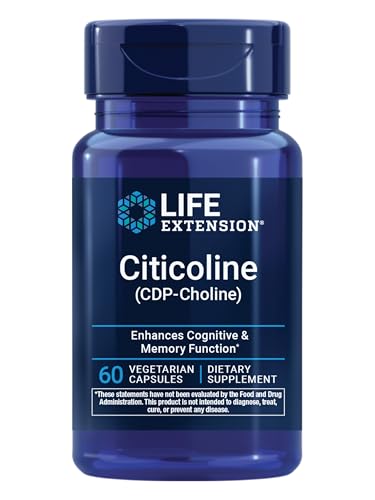
Citicoline’s mechanism runs through metabolic breakdown. Once ingested, it splits into choline and cytidine. The choline portion feeds acetylcholine synthesis, the neurotransmitter central to attention and memory encoding, while the cytidine portion converts to uridine, which contributes to building new membrane phospholipids, including phosphatidylcholine [1]. Citicoline is therefore a precursor supplement, it provides raw materials the brain uses to manufacture other needed molecules.
Phosphatidylserine works differently. It is itself a phospholipid already found in high concentration in neuronal cell membranes, particularly the inner membrane leaflet. Supplemental phosphatidylserine is incorporated more directly into existing membrane structure rather than requiring conversion into other active compounds first. This structural role is thought to support membrane fluidity, receptor function, and signal transduction, processes relevant to cognitive performance as membranes naturally lose phospholipid content with age.
What the Citicoline Trial Record Shows
The clearest citicoline data point for this comparison comes from a 2021 randomized, double-blind, placebo-controlled trial of 100 adults aged 50 to 85 with age-associated memory impairment. Participants took 500 mg/day citicoline for 12 weeks, and showed significantly greater improvement in episodic memory (assessed via a paired-associate test) and composite memory scores compared to placebo [1]. This trial specifically targeted an aging population showing early memory decline, not healthy young adults, which matters when interpreting how broadly the results generalize.
What the Phosphatidylserine Trial Record Shows
Phosphatidylserine has its own separate and reasonably substantial trial history. A 2025 randomized, double-blind, placebo-controlled trial enrolled Chinese older adults with mild cognitive impairment and found a phosphatidylserine-containing food supplement improved cognitive function measures over a 12-month intervention period [2], a notably longer trial duration than most citicoline studies. Separately, a trial combining phosphatidylserine with omega-3 fatty acids in non-demented elderly adults with memory complaints established a favorable long-term safety profile through an open-label extension phase [3], though that study’s primary aim was safety rather than efficacy.

Why a Direct Comparison Trial Doesn’t Exist
Head-to-head active-comparator trials, where one supplement is tested directly against another rather than against placebo, are less common in the supplement research world than placebo-controlled trials, largely because they require more funding and offer less commercial incentive than a placebo comparison a manufacturer can use for marketing. As a result, any comparison between citicoline and phosphatidylserine has to be made indirectly, by looking at each compound’s separate trial record, population studied, dose, and outcome measures, rather than pointing to a single study that settles the question directly.
Are They Interchangeable, or Complementary?
Given that citicoline and phosphatidylserine act through non-overlapping mechanisms, one supplying precursor molecules for neurotransmitter and membrane synthesis, the other directly replenishing structural membrane phospholipid, some researchers and formulators treat them as potentially complementary rather than redundant. That said, this remains a mechanistic argument rather than a trial-confirmed one; no published study has tested the combination against either ingredient alone. Anyone deciding between the two, or considering combining them, should weigh their specific goal (memory support in aging, general attention, etc.), their existing supplement or medication regimen, and ideally discuss the decision with a healthcare provider.

Frequently Asked Questions
Are citicoline and phosphatidylserine the same type of compound?
No. Both are phospholipid-related nutrients used to support brain cell membranes, but they work through different biochemical routes. Citicoline breaks down into choline (an acetylcholine precursor) and cytidine (converted to uridine, used in membrane phospholipid synthesis) [1]. Phosphatidylserine is itself a structural membrane phospholipid, directly incorporated into neuronal membranes rather than broken down into precursor building blocks first.
Is there a head-to-head clinical trial comparing the two directly?
No large, well-controlled trial has directly randomized participants to citicoline versus phosphatidylserine head-to-head. The evidence base for each comes from separate placebo-controlled trials, which makes indirect comparison necessary but means firm claims about one being superior to the other are not well supported by the current literature.
What does the citicoline evidence show?
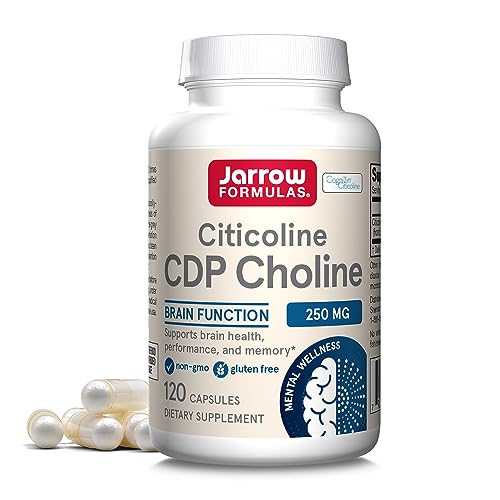
A 2021 randomized, double-blind, placebo-controlled trial found 500 mg/day citicoline improved episodic and composite memory scores over 12 weeks in older adults with age-associated memory impairment [1].
What does the phosphatidylserine evidence show?
A 2025 randomized, double-blind, placebo-controlled trial in Chinese older adults with mild cognitive impairment found a phosphatidylserine-containing supplement improved cognitive function over 12 months [2]. A separate trial found phosphatidylserine combined with omega-3 fatty acids was safe and well tolerated in non-demented elderly adults with memory complaints over an extended period [3].
Can citicoline and phosphatidylserine be taken together?
Because they act through different, non-overlapping biochemical pathways, phosphatidylserine as a direct membrane component and citicoline as a choline/cytidine precursor pair, there is a plausible mechanistic rationale for combining them, but no controlled trial has specifically tested the combination against either compound alone. Anyone considering stacking supplements should discuss it with a healthcare provider, particularly if taking other medications.

References
- Nakazaki E et al. Citicoline and Memory Function in Healthy Older Adults: A Randomized, Double-Blind, Placebo-Controlled Clinical Trial. Journal of Nutrition (2021). PMID 33978188
- Duan Y et al. Effects of a food supplement containing phosphatidylserine on cognitive function in Chinese older adults with mild cognitive impairment: A randomized double-blind, placebo-controlled trial. Journal of Affective Disorders (2025). PMID 39317299
- Vakhapova V et al. Safety of phosphatidylserine containing omega-3 fatty acids in non-demented elderly: a double-blind placebo-controlled trial followed by an open-label extension. BMC Neurology (2011). PMID 21711517
These statements have not been evaluated by the FDA. This product is not intended to diagnose, treat, cure, or prevent any disease. This article is for informational purposes only and is not a substitute for professional medical advice. As an Amazon Associate we earn from qualifying purchases.
These statements have not been evaluated by the Food and Drug Administration. This information is not intended to diagnose, treat, cure, or prevent any disease. Content is for informational purposes only and is not medical advice; consult a qualified healthcare provider before starting any supplement. As an Amazon Associate we earn from qualifying purchases.
