Citicoline and noopept are both marketed in the nootropics space for memory and focus, and they’re frequently compared in buying guides and forum threads. But they come from very different research traditions, backed by very different kinds and quality of clinical evidence. This article compares what’s actually been published on each, rather than treating them as interchangeable options in the same category.
Nothing here constitutes medical advice. Neither citicoline nor noopept has been approved by the FDA to diagnose, treat, cure, or prevent any disease.
Key Takeaways
- Citicoline is a naturally occurring choline/cytidine precursor compound; noopept is a synthetic dipeptide-derived compound developed in Russia as a piracetam analog.
- Citicoline has a broader base of randomized, double-blind, placebo-controlled trials in mainstream international journals, including a positive 12-week memory trial in older adults [1].
- Noopept’s clinical evidence is comparatively thin: the key trials are Russian, industry/institute-affiliated, active-comparator (vs. piracetam, not placebo) studies in patients with existing vascular or traumatic brain injury-related cognitive impairment [2].
- Citicoline has a more established US dietary-supplement market position; noopept’s regulatory standing as a supplement ingredient is less clear.
- No head-to-head trial has directly compared citicoline against noopept in the same study.
Two Different Origins, Two Different Mechanisms
Citicoline occurs naturally in the body as an intermediate step in phosphatidylcholine synthesis. Supplemental citicoline splits into choline and cytidine after ingestion, the choline portion supporting acetylcholine synthesis, the cytidine portion converting to uridine and supporting membrane phospholipid production [1]. Noopept, by contrast, is a fully synthetic compound (N-phenylacetyl-L-prolylglycine ethyl ester) developed by Russian researchers at the Zakusov Institute as a structural analog of piracetam, intended to produce cognition-enhancing effects at much lower doses. Its precise mechanism of action is less thoroughly characterized in the published literature than citicoline’s.
What the Citicoline Trial Record Looks Like
Citicoline’s evidence base includes multiple randomized, double-blind, placebo-controlled trials published in mainstream, internationally indexed journals. A representative example: a 2021 trial in 100 adults aged 50-85 with age-associated memory impairment found 500 mg/day citicoline over 12 weeks significantly improved episodic and composite memory scores compared to placebo [1]. This is one of several citicoline trials with a placebo control arm and a standard randomized design, the kind of evidence that carries more weight in evaluating whether an effect is real versus a comparator or expectation effect.
What the Noopept Trial Record Looks Like
Noopept’s clinical evidence base looks different in a few important ways. The most frequently cited clinical study is a 2009 comparative trial (originally published in Russian, later translated) testing noopept against piracetam, not placebo, over 56 days in patients with mild-to-moderate cognitive impairment from vascular or traumatic brain injury [2]. The noopept group’s MMSE scores improved from roughly 26 to 29 over the study period, and the authors reported noopept performed comparably to, and in some subgroups better than, piracetam. But this was an active-comparator design (noopept vs. piracetam) rather than a placebo-controlled one, conducted in a clinical population with existing brain injury rather than healthy adults, and much of the supporting noopept literature comes from the same originating research group.
Why the Comparator Matters
An active-comparator trial (drug vs. drug) can’t by itself establish that either compound outperforms placebo, it only shows how the two compare to each other. Piracetam itself has a mixed and dated modern evidence base for cognitive impairment, which weakens what a “noopept performed as well as piracetam” finding can actually establish about noopept’s real-world effectiveness. Citicoline’s placebo-controlled trials avoid this specific problem, though, like most supplement research, the overall citicoline literature also includes studies of varying quality.

Regulatory and Market Differences
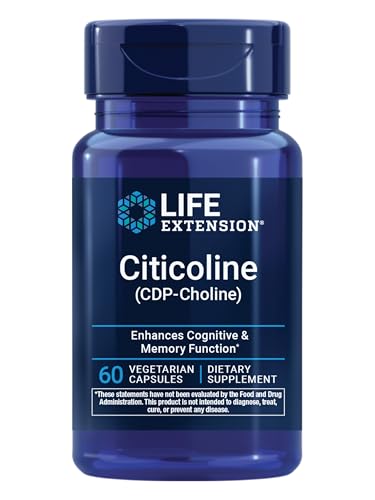
Citicoline holds an established position in the US dietary supplement market, sold widely as citicoline or under the branded Cognizin name. Noopept’s status is murkier: it is not FDA-approved for any indication, and questions have been raised publicly about whether it meets the legal definition of a dietary supplement ingredient in the US, unlike citicoline’s clearer standing. This is a practical consideration independent of the efficacy question.
Making the Choice
No trial has directly compared citicoline against noopept head-to-head, so any comparison has to be made indirectly, by weighing each compound’s separate evidence quality, population studied, and regulatory standing. Based on the available literature, citicoline has the more robust, better-controlled clinical evidence base and clearer regulatory footing. Noopept’s evidence is thinner, comes primarily from one research tradition, and has not been tested against placebo in the way modern trial standards typically require. Anyone considering either, especially noopept, should discuss it with a healthcare provider first.

Frequently Asked Questions
What’s the fundamental difference between citicoline and noopept?
Citicoline is a naturally occurring compound in the body (an intermediate in phosphatidylcholine synthesis) that splits into choline and cytidine after ingestion, supporting acetylcholine production and membrane phospholipid synthesis. Noopept (N-phenylacetyl-L-prolylglycine ethyl ester) is a synthetic dipeptide-derived compound developed in Russia as a piracetam analog with a different, and less fully characterized, mechanism of action.
Which one has stronger clinical trial evidence in the way Western regulators and researchers typically require?
Citicoline has a larger base of randomized, double-blind, placebo-controlled trials published in mainstream international journals, including a positive memory trial in older adults [1]. Noopept’s clinical evidence base is comparatively thin by that standard: the most-cited trials are Russian-language, industry/institute-affiliated studies comparing noopept against piracetam (an active comparator) rather than placebo, in patients with vascular or traumatic brain injury-related cognitive impairment, not healthy adults [2].
Is noopept regulated or sold the same way as citicoline in the US?
Citicoline is broadly available as a dietary supplement in the US. Noopept’s regulatory status is murkier: it is not FDA-approved for any use and its legal standing as a dietary supplement ingredient has been publicly questioned, unlike citicoline’s more established supplement-market status.

Does the noopept vs piracetam trial actually tell us noopept works?
It shows noopept performed comparably to, and in some subgroups better than, piracetam over 56 days in patients with existing vascular or post-traumatic cognitive impairment, with MMSE scores improving in the noopept group [2]. But because there was no placebo arm, and piracetam itself has an inconsistent-at-best modern evidence base, this design can’t cleanly establish that noopept has an effect beyond placebo or natural recovery.
Which one should someone choose?
That depends on risk tolerance for less-established compounds and what someone is trying to address. Citicoline has broader, better-controlled trial support and a more established regulatory and supplement-market position. Noopept’s evidence is thinner, older, largely from a single research group, and lacks placebo-controlled Western trials. Anyone considering either should discuss it with a healthcare provider, particularly given noopept’s less clear regulatory standing.

References
- Nakazaki E et al. Citicoline and Memory Function in Healthy Older Adults: A Randomized, Double-Blind, Placebo-Controlled Clinical Trial. Journal of Nutrition (2021). PMID 33978188
- Neznamov GG, Teleshova ES. Comparative studies of Noopept and piracetam in the treatment of patients with mild cognitive disorders in organic brain diseases of vascular and traumatic origin. Neuroscience and Behavioral Physiology (2009). PMID 19234797
These statements have not been evaluated by the FDA. This product is not intended to diagnose, treat, cure, or prevent any disease. This article is for informational purposes only and is not a substitute for professional medical advice. As an Amazon Associate we earn from qualifying purchases.
These statements have not been evaluated by the Food and Drug Administration. This information is not intended to diagnose, treat, cure, or prevent any disease. Content is for informational purposes only and is not medical advice; consult a qualified healthcare provider before starting any supplement. As an Amazon Associate we earn from qualifying purchases.
