Citicoline is not a recently discovered supplement ingredient. Chemically known as cytidine 5′-diphosphocholine, it was first characterized decades ago as a naturally occurring intermediate in the body’s own synthesis of phosphatidylcholine, and it went on to become a prescription drug in parts of Europe and Japan long before it appeared on U.S. supplement shelves.
Understanding that history helps explain why citicoline has an unusually large clinical trial base for an over-the-counter supplement: much of it was generated for pharmaceutical approval and clinical use, not supplement marketing. This article traces that history and is informational only; it does not constitute medical advice.
Key Takeaways
- CDP-choline is a naturally occurring biochemical intermediate that also has deep evolutionary roots, with research showing it can form under non-enzymatic, prebiotic-like conditions [1].
- Citicoline was studied and used as a prescription drug for neurological conditions in Europe and Japan well before it reached the U.S. supplement market [2].
- Early foundational reviews from the mid-1990s established citicoline’s basic pharmacology and metabolic pathway [3].
- Animal research on CDP-choline’s effects on memory and neuroprotection predates most human clinical trials by years [4].
- The compound’s supplement-market presence in the U.S. is comparatively recent relative to its multi-decade pharmaceutical history elsewhere.
A Naturally Occurring Biochemical Intermediate
CDP-choline is not a synthetic invention; it is the same molecule the body produces internally as a step in the Kennedy pathway, the biosynthetic route that builds phosphatidylcholine, the most abundant phospholipid in cell membranes, including neuronal membranes. Research into the non-enzymatic, prebiotic-like formation of CDP-choline and related phosphorylated intermediates suggests these are ancient biochemical building blocks, present in some form since very early in the history of life’s chemistry [1]. That observation has no direct practical implication for supplementation today, but it underscores that citicoline is not a novel synthetic compound—it is identical to an intermediate every cell in the body already produces.
Early Pharmacological Characterization
Formal pharmacological study of exogenously administered citicoline (as distinct from the endogenous intermediate) began in earnest in the latter half of the 20th century. Foundational review papers from the mid-1990s laid out citicoline’s metabolism and mechanism of action as both an endogenous compound and an administered drug, establishing much of the terminology and conceptual framework still used today [2]. A parallel pharmacological and clinical review from the same period consolidated early trial data and dosing rationale [3].
Animal studies played a significant role in this early period. Research in aged rats given citicoline reported effects on memory-related deficits [4], and work examining CDP-choline’s effects on receptor-stimulated inositol phospholipid signaling in brain tissue provided some of the earliest mechanistic evidence for how the compound might influence neuronal signaling beyond simple membrane repair [5].
Establishment as a Prescription Neurological Drug
Citicoline’s clinical development diverged from many nootropic supplements in that it was formally developed and approved as a prescription pharmaceutical in several countries, particularly for stroke and cognitive impairment indications, well before its supplement-market presence took hold. This pharmaceutical history is why so much of the human clinical trial literature predates the modern nootropics-supplement trend by years, sometimes decades. A landmark early randomized trial testing citicoline in acute ischemic stroke patients established one of the first large-scale human efficacy signals [6], and gerbil-model neuroprotection studies around the same period supported a plausible mechanistic basis for that clinical interest [7].
Through the 2000s, review literature increasingly framed citicoline as a “membrane stabilizer” with neuroprotective properties relevant to acute brain injury, a framing that shaped much of the subsequent stroke and traumatic brain injury research [8]. Comprehensive pharmacological and clinical reviews published through this period consolidated the accumulating trial base and helped standardize dosing conventions still referenced today [9].
Expansion Into Broader Neurological and Ophthalmic Research
By the 2010s, the research base had expanded well beyond acute stroke, into vascular cognitive impairment [10], glaucoma and ophthalmic neuroprotection, and general reviews synthesizing citicoline’s therapeutic applications across multiple neurological conditions [11]. This broadening reflected growing interest in citicoline’s general neuroprotective mechanisms rather than any single narrow indication.

The Modern Supplement Era
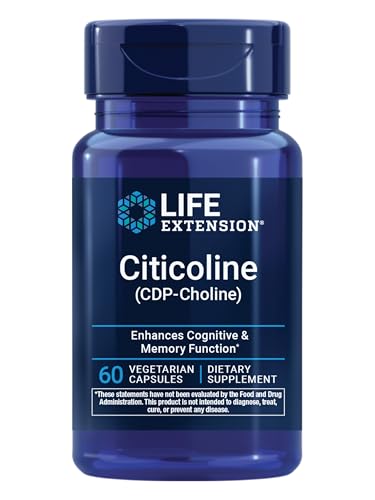
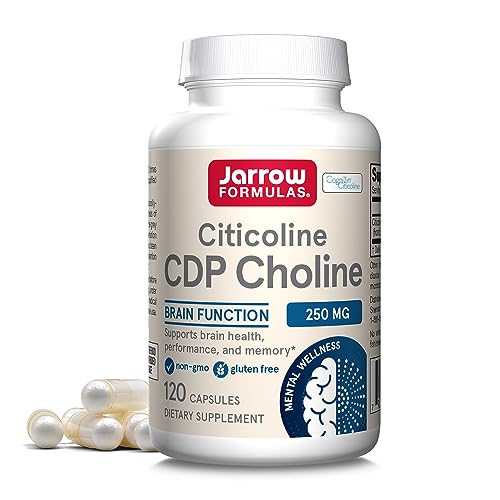
Citicoline’s arrival as a widely available over-the-counter supplement, often marketed under the branded form Cognizin, is comparatively recent relative to its pharmaceutical history. The compound’s multi-decade clinical track record as a prescription drug elsewhere is part of why it carries an unusually substantial human trial base compared to newer nootropic ingredients that have little to no controlled human data. That said, supplement-market citicoline is typically used at lower doses and without medical supervision, a context that differs meaningfully from the clinical trial settings that generated much of the historical evidence.
Neither this article nor any product mentioned is intended to diagnose, treat, cure, or prevent any disease. Statements have not been evaluated by the FDA. Consult a qualified healthcare provider before starting any new supplement.
Frequently Asked Questions
Is citicoline a new supplement ingredient?
No. It is chemically identical to a biochemical intermediate the body has always produced as part of normal phospholipid synthesis, and it has been formally studied and used pharmaceutically since the mid-to-late 20th century, well before it became a common supplement.
Was citicoline originally a prescription drug?
Yes, in several countries, particularly for stroke and cognitive impairment indications. Much of its human clinical trial base comes from this pharmaceutical development period, not from supplement-industry-funded research.
When did citicoline become available as a supplement?
Its supplement-market availability, particularly under branded forms like Cognizin, is comparatively recent relative to its multi-decade pharmaceutical history in Europe and Japan.
Does citicoline’s long research history mean it’s proven safe and effective?
It means there is more clinical data than for many newer supplement ingredients, but findings vary by indication and trial quality, and modern meta-analyses have tempered some early positive findings, particularly in stroke recovery.
References
- Mar A et al. Origins of life and evolution of the biosphere (1987). PMID 2819807
- Weiss GB et al. Life sciences (1995). PMID 7869846
- Secades JJ et al. Methods and findings in experimental and clinical pharmacology (1995). PMID 8709678
- Petkov VD et al. Arzneimittel-Forschung (1993). PMID 8216435
- Canonico PL et al. Functional neurology (1992). PMID 1330841
- Clark WM et al. Stroke (1999). PMID 10582983
- Rao AM et al. Journal of neuroscience research (1999). PMID 10561698
- Zweifler RM et al. Current medical research and opinion (2002). PMID 12365823
- Secades JJ et al. Methods and findings in experimental and clinical pharmacology (2006). PMID 17171187
- Alvarez-Sabín J et al. Stroke (2011). PMID 21164117
- Jasielski P et al. Nutrients (2020). PMID 33053828
These statements have not been evaluated by the Food and Drug Administration. This information is not intended to diagnose, treat, cure, or prevent any disease. Content is for informational purposes only and is not medical advice; consult a qualified healthcare provider before starting any supplement. As an Amazon Associate we earn from qualifying purchases.
